Have you noticed your gums slowly pulling back, exposing more of your teeth? This is known as gum recession, which can cause your teeth to become sensitive and may impact your ability to chew comfortably.
A reliable Glen Iris dentist can help you restore your gum health with personalised care. Through careful cleaning and treatment, the focus is on protecting your gums and stopping further recession. Early attention can help maintain strong, healthy teeth.
Ashwood Dental Surgery, located in Ashwood and Ashburton, proudly serves surrounding suburbs including Burwood, and Chadstone. We’re committed to providing quality dental care for families across our community.
What is Gum Recession?
Gum recession, also known as receding gums, is a condition where the gum tissue gradually pulls back from the teeth. This movement exposes the roots, which are normally protected, and can leave them more vulnerable to damage. It is a common problem for many adults, although it can also occur at a younger age.
The condition develops at different levels of severity:
- Mild recession: Only a small part of the root surface is showing.
- Moderate recession: More gum tissue has withdrawn, leaving a larger area exposed.
- Severe recession: A significant portion of the root is visible, which may affect function and comfort.
Receding gums are more than just a cosmetic concern. They often lead to tooth sensitivity and increase the risk of cavities on the exposed root surfaces. Everyday activities, such as eating, drinking, or brushing, can become uncomfortable.
Although gum recession cannot be reversed, timely treatment can stop it from progressing. With proper care, you can reduce sensitivity, protect against decay, and support the long-term health of your teeth and gums.
Who is Affected by Gum Recession?
Gum recession can affect people of different ages, but some groups are more likely to experience it than others. Glen Iris and Ashburton Dentist often see patients with gum changes linked to lifestyle habits, health conditions, or ageing.
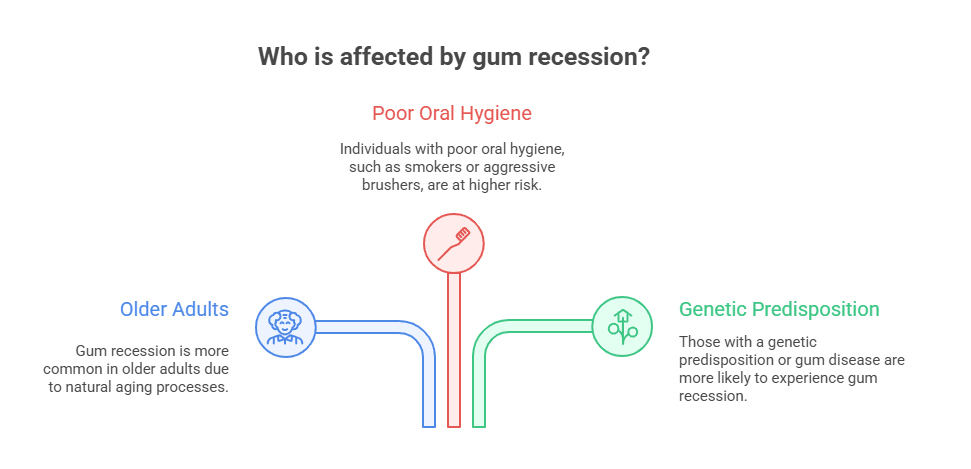
Here are some key points about who may be affected:
- Older adults: Gum recession is more common in people over 65. The ageing process causes gums to become thinner and more prone to wear.
- Individuals with Poor Oral Hygiene: Inadequate brushing, flossing, or irregular dental visits can lead to plaque buildup, which contributes to gum recession.
- Smokers or Tobacco Users: Tobacco use reduces blood flow to the gums, making them more prone to infection and recession.
- People with Aggressive Brushing Habits: Brushing too hard or using a hard-bristle toothbrush can wear down your gum tissue over time.
- Those with Genetic Predisposition: Some people inherit a higher risk of gum disease and gum recession from their family.
- Patients with Gum Disease (Periodontitis): Infections of the gums can destroy gum tissue and supporting bone, leading to recession.
What Increases the Risk of Gum Recession?
Here are some key factors that increase the risk of gum recession:
- Periodontal disease: Ongoing gum disease is a leading cause of gum recession. Inflammation weakens your gum tissue and bone that hold teeth in place. There are also alot of hidden danger of periodontal disease.
- Braces and orthodontic treatment: Braces can sometimes place pressure on gums, especially if teeth are moved too quickly or aggressively.
- Tobacco use: Smoking or chewing tobacco can reduce blood flow to the gums, slowing healing and increasing the chance of gum recession.
- Oral piercings: Lip or tongue piercings can rub against the gum line, causing irritation and gradual gum loss in certain areas.
- Aggressive brushing: Brushing too hard with a stiff-bristle toothbrush can wear away the gum tissue over time.
- Prevalence: Studies suggest that more than 80% of adults have some form of gum recession on at least one tooth.
Although gum recession is more common in older adults, it can start earlier. Even teenagers may notice early signs of risk factors, such as poor brushing habits or orthodontic issues, are present. Maintaining Oral Health make it easier to detect gum changes early and manage them before they become more severe.
Causes of Gum Recession
Gum recession, sometimes called receding gums, happens when the gum tissue slowly pulls back and exposes more of your tooth surface. It’s something that can develop gradually, which is why many people don’t notice it right away. Our dentists who work near Glen Iris often remind patients that caring for their gums is just as important as looking after their teeth.
1. Aggressive Brushing and Plaque or Tartar Buildup
Brushing too hard or using a firm-bristled toothbrush may feel like you’re doing a good job, but it can actually wear away gum tissue. On the other hand, if plaque isn’t removed correctly, it can harden into tartar, which irritates the gums. Using a soft-bristled brush with strokes helps protect your gums while keeping your teeth clean and healthy.
2. Periodontal Disease
When bacteria accumulate around the gums, it can affect the supporting tissues of the teeth and cause the gums to recede. This is one of the most common causes of gum recession. Daily brushing, flossing, and regular check-ups are essential steps to lower this risk.
3. Trauma or Misaligned Teeth
If you’ve ever had an injury to your mouth, you might notice gum changes in that area over time. Similarly, when teeth are misaligned, they create uneven pressure while you chew, which can gradually wear away gum tissue in certain spots.
4. Lifestyle factors and genetics
Habits like smoking, chewing tobacco, or even oral piercings can irritate gum tissue and contribute to recession. Sometimes genetics plays a role, too; if you naturally have thinner gums, you might be more likely to see them recede.
Being aware of these causes gives you the chance to protect your smile. Small changes, such as brushing gently, avoiding irritants, and visiting your dentist regularly, can make a significant difference in maintaining strong and healthy gums.
How is Gum Recession Diagnosed?
Gum recession can develop gradually, and often, people don’t notice it until it has progressed significantly. Glen Iris Dentists have clear ways to check your gum health and identify recession early.
Step 1: Routine Dental Examination
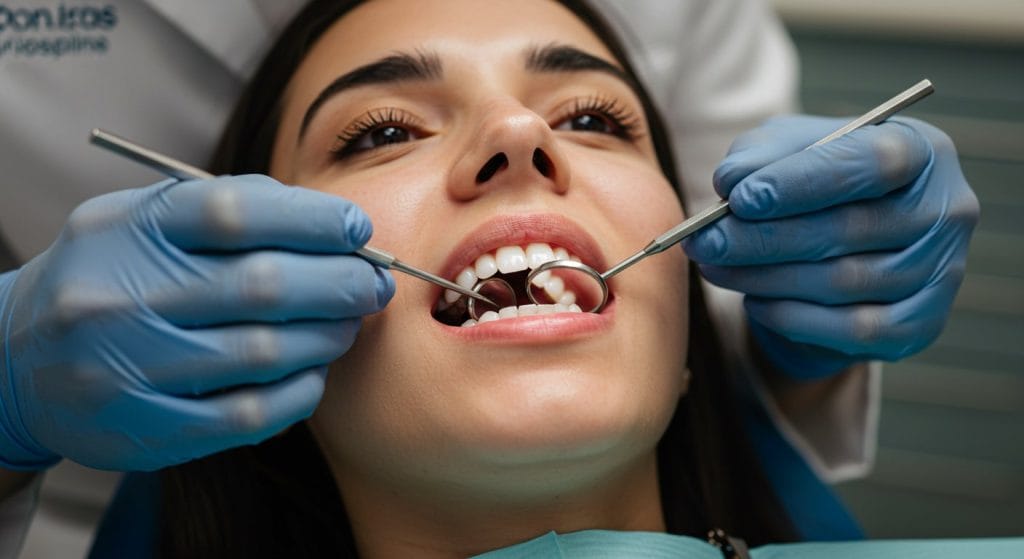
During a regular visit, your dentist will thoroughly examine your gums and teeth. They look for signs of gum recession, areas where roots may be exposed, and any inflammation or tartar that could affect your gums.
Step 2: Measuring Gum Loss
Using a small tool called a periodontal probe, the dentist measures the amount of gum that has receded. This helps them see exactly which areas need care.
Step 3: Checking Periodontal Pockets
Dentists also assess the pockets between your teeth and gums. Deeper pockets can indicate more advanced gum recession and help guide treatment.
Step 4: Early Detection and Care
Spotting gum recession early is essential. Your dentist can suggest treatments or daily habits to prevent further gum loss and protect your teeth. Regular check-ups ensure your gums stay healthy over time.
By following these steps, you can gain a clear understanding of your gum health and take action before problems worsen. Read more about how to care for your teeth and gums at teeth.org.au.
How to Stop Gum Recession?
If you’ve noticed your gums pulling back, you might be wondering how to stop gum recession and protect your teeth. Glen Iris Dentists recommend a combination of careful daily habits and regular professional care to help prevent receding gums.
- Brush and floss gently: Brushing too hard can exacerbate gum recession. Use strokes and focus on cleaning along the gum line, avoiding aggressive scrubbing.
- Choose a soft-bristled toothbrush: A soft-bristled toothbrush is gentler on your gums while still effectively cleaning your teeth. Replace your toothbrush every three months or sooner.
- Maintain good oral hygiene and avoid tobacco: Regular brushing and flossing are essential, but habits like smoking or chewing tobacco can harm gum tissue and slow healing.
- Regular check-ups with dentists: Regularly check-ups with dentists enables the early detection and management of gum disease. Glen Iris Dentists can monitor your gums, provide professional cleaning, and give personalised advice.
How to Improve Gum Recession?
If you are noticing signs of gum recession, there are ways to manage it and protect your teeth. Gum recession treatment can vary depending on the extent of gum recession and your overall oral health. Dentists near Glen Iris often create personalised plans to suit each patient’s needs.
Nonsurgical Options
Not all gum recession requires surgery. Some approaches include:
- Topical antibiotics: Applied to your gums to help reduce bacterial infection and inflammation.
- Dental bonding: Tooth-coloured material can cover exposed roots, reducing sensitivity and protecting the surface.
- Orthodontic care: Adjusting misaligned teeth can reduce pressure on the gums and prevent further gum recession.
Surgical Options
For more advanced cases, surgical techniques may be considered:
- Gum graft surgery: Tissue is taken from another area or a donor source to cover exposed roots.
- Minimally invasive techniques: Modern procedures use smaller incisions and precise methods to restore gum coverage and reduce discomfort.
Personalised Treatment Plans
Every patient’s gums are different, so treatment is tailored to your situation. Your dentist will assess the severity of recession, overall dental health, and lifestyle factors before recommending the best approach. Following the plan carefully, along with daily oral care, can help maintain healthier gums and prevent further recession.
By combining professional care with good daily habits, you can manage gum recession effectively and protect your smile over time.
When to See a Glen Iris Dentist for Gum Recession?
Gum recession can start quietly, and noticing the warning signs early makes a big difference. You should consider visiting a dentist if you notice your tooth roots becoming more visible, experience sensitivity while eating or drinking, or see your gums pulling away from your teeth.
Visiting a local dentist near Glen Iris offers several advantages. Modern dental technology enables the accurate assessment of gum health and provides reliable treatment options.
Getting professional advice early not only helps prevent further gum loss but also supports long-term oral health. Even mild changes in your gums are worth checking, as early action often avoids the need for more complex procedures.
For anyone near Glen Iris, Ashwood Dental Surgery is just a six-minute drive away. Our team is here to provide professional care to help you maintain healthy teeth and gums.
Clinic Details:
Ashwood Dental Surgery
Address: Suite 4, 330 High Street, Ashburton VIC 3147 (Located at Ashburton Medical Suites)
Phone: (03) 9885 2712
Book an appointment with Ashwood Dental Now!
Frequently Asked Questions
How do you fix receding gums?
Receding gums cannot grow back naturally, but treatment can prevent further gum loss and protect your teeth. Dentists may recommend deep cleaning, careful monitoring, or minimally invasive procedures to manage the condition. Maintaining good oral hygiene at home also supports long-term gum health.
Should you brush receding gums?
Yes, but gently. Brushing with a soft-bristled toothbrush and using light, circular motions helps remove plaque without causing further irritation. Flossing carefully along the gum line is also crucial in preventing plaque buildup and protecting the roots.
Can you grow back receding gums?
Gum tissue that has receded cannot fully grow back on its own. However, professional care and treatments, such as gum grafts or guided tissue regeneration, can restore some coverage and prevent progression. Daily habits also play a key role in protecting existing gum tissue.
At what age do gums start receding?
Gum recession can begin at any age, even in the teenage years, but it becomes more common as people age. Many adults notice changes in their 40s and 50s, while older adults are more likely to have moderate or severe recession. Regular dental check-ups help catch changes early.